

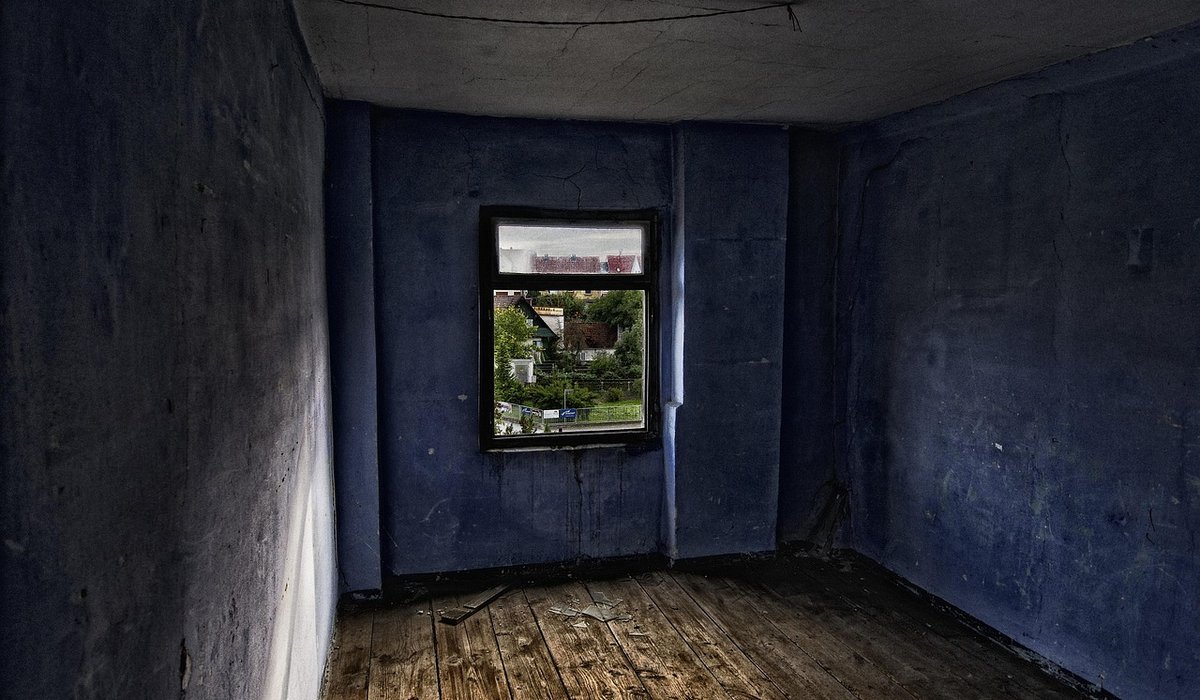
In a barn conversion, the floor does more work than almost any other surface. It has to cope with big, open volumes, heavy foot traffic from boots and dogs, and the constant pull of doors onto gravel or grass. Get it right and the floor quietly holds the whole scheme together, softening all that exposed timber and stone. Get it wrong and you either end up with something too polished for the building, or a surface that looks charming for a fortnight and tired for the next decade.
The good news is that rustic and practical are not opposites. You simply need to choose materials that suit the age and construction of the building, then be honest about how you actually live in it.
Timber is the natural starting point, and it is hard to beat for warmth underfoot — particularly important in a barn, where a solid stone floor can feel cold for eight months of the year.
Reclaimed boards bring instant character: nail holes, saw marks, a patina you cannot fake. Look for reclaimed elm, pine or oak, and expect board widths of 150–250mm. The catch is that old timber arrives with a history, so it needs careful drying, de-nailing and acclimatising on site for at least a week before it goes down. Budget for wastage of 15–20 per cent, as reclaimed stock rarely comes in usable uniform lengths.
Engineered oak is the practical compromise. A 3–6mm wear layer bonded to a plywood core is far more stable across the temperature swings of a large open room, and it works far better over underfloor heating. Choose a rustic grade rather than prime: the knots, colour variation and occasional filled splits are exactly what the building wants. A brushed, matt, hardwax-oil finish suits a country home far better than a high-gloss lacquer, and it can be spot-repaired rather than sanded back wholesale.
Nothing sits more comfortably in a stone barn than stone underfoot. Reclaimed Yorkstone, limestone and sandstone flags are the classic choice, and a good flag — 20–30mm thick, laid in a traditional lime mortar bed — will outlast everyone reading this.
Stone is forgiving in the ways that matter here. It shrugs off wet boots, it does not mind the occasional scrape from a log basket, and it gains character as it wears. Its weakness is comfort: bare stone is cold and unforgiving to stand on, so treat it as a hard-working ground floor rather than a whole-house solution. Pair it with generous wool rugs and underfloor heating, and the chill largely disappears.
If you are laying new stone, avoid anything too uniform or too polished. Tumbled edges, a riven face and a mixed-size layout read as authentic; a perfectly squared, honed tile in a large open barn often looks like a hotel lobby. Seal porous stone with a breathable impregnator, not a surface film, and remember that a natural finish will stain — which is usually fine, and often the point.
Often overlooked, these are some of the best-value rustic floors going. Reclaimed quarry tiles and terracotta bring a warm, honeyed red that flatters old timber beautifully, and they are ideal for boot rooms, pantries, utility areas and kitchen corners.
They are hard and slightly uneven, so they need a solid, well-prepared base and a flexible adhesive if you are not laying them traditionally. Seal them well — terracotta is porous and will drink red wine and olive oil given half a chance. A matt sealer keeps them looking aged rather than varnished.
Most barn conversions want underfloor heating on the ground floor, and that shapes your choice more than anything else. Stone, brick and tiles are ideal: they hold heat and release it slowly. Timber can work perfectly well, but you need engineered boards rather than solid, and a screed or low-profile system designed for the purpose.
A few things worth settling before you order anything:
You do not have to commit to one floor throughout, and in a barn you probably should not. A sensible pattern is stone or quarry tile through the entrance, kitchen and utility, timber in the main living space, and something softer again upstairs. Draw a clean line at a doorway rather than mid-room, and use a simple threshold strip in a matching tone.
Finally, let the floor sit back. Keep rugs in natural fibres — wool, jute, coir at the doors — and resist the urge to match every surface to the beams. A slightly quieter floor, in a warmer or cooler tone than the walls, gives the room somewhere to breathe. That balance of durability, warmth and quiet period charm is what makes a country floor feel as though it has always been there.

The Gildedbarn Written for people who value the details, and want honest guidance they can trust.

The Gildedbarn An honest, everyday look at the things that make life a little better — with advice you can actually use.

A comfortable chair, soft throw and well-placed lamp can transform an unused corner into a restful retreat filled with character and quiet charm.

Comments
ALina Kelian
19th May 2018 ReplyThe Gildedbarn An honest, everyday look at the things that make life a little better — with advice you can actually use. ullamco laboris nisi ut aliquip ex ea commodo consequat.
Rlex Kelian
19th May 2018 ReplyThe Gildedbarn We spend our time finding what works so you don't have to, and sharing exactly what made the difference. ullamco laboris nisi ut aliquip commodo.
Roboto Alex
21th May 2018 ReplyThe Gildedbarn An honest, everyday look at the things that make life a little better — with advice you can actually use. ullamco laboris nisi ut aliquip ex ea commodo consequat.