

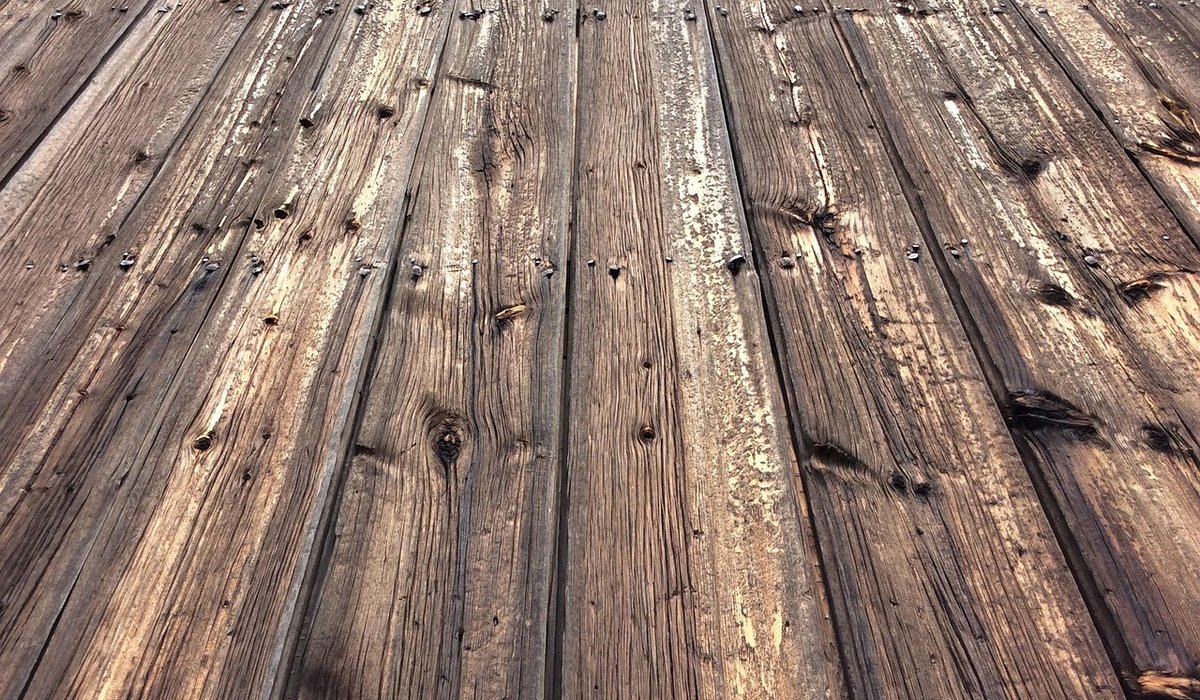
In a barn conversion or an old farmhouse, the seasons do not stay outside. They arrive through the oak door, settle on the flagstones and drift along the beams. The light shifts, the temperature drops a degree or two, and suddenly the room asks for something different. Rather than redecorating from top to bottom, the trick is to change a handful of details — a jug of foraged stems, a heavier throw, a different basket by the fire — so the house moves gently with the year.
Seasonal styling only works when the bones of the room are quiet. In a converted barn, that usually means letting the architecture do the talking: exposed stone, lime-washed walls, wide floorboards and a few generous pieces of furniture in oak, linen or aged leather. Keep your permanent pieces in a narrow palette of chalk white, oatmeal, warm grey and natural wood. Everything else — the colour, the texture, the scent — can then be swapped in and out without the room ever feeling unsettled.
Storage matters just as much. A lidded basket under a bench, a wooden crate on top of a wardrobe or a labelled box in the loft gives you somewhere to rest the out-of-season pieces. If you can put your hand on last December's wool blanket in five minutes, you are far more likely to change things over properly.
Spring arrives slowly in the countryside, so bring it in early with whatever is genuinely in season. A few branches of blackthorn or hawthorn blossom in a tall enamel jug will carry a room for a fortnight. Pussy willow, daffodils and the first tulips look best in simple stoneware or an old galvanised bucket rather than anything precious.
By June the garden takes over. Cut sweet peas, lavender, cornflowers and anything else that is flowering, and use them freely — a bucket of blooms on a scrubbed kitchen table is more convincing than a formal arrangement. This is the season to strip things back: roll up the rugs, let the floorboards show, and leave the surfaces as empty as you can bear.
Open storage comes into its own when you are eating outside. A stack of woven baskets for bread and fruit, a tray that can be carried from kitchen to terrace, enamel plates and unbreakable glasses all make the transition easy. Linen slipcovers on the sofa, a plain cotton tablecloth and plenty of white or off-white will keep the interior cool against the glare of a long afternoon.
Autumn is the most generous season for a country home. Hedgerows offer rosehips, hawthorn berries, dried grasses and seed heads, all of which dry beautifully and will last for months in a jug. This is when you begin to layer: wool, mohair, tartan and sheepskin come back out, and the lighting shifts from bright daylight to lamplight and beeswax candles at four in the afternoon.
Winter in a barn conversion is about warmth and texture, because the building itself can be draughty and the rooms can be tall. Evergreens do most of the work: holly, ivy, spruce, bay and eucalyptus arranged simply in jugs and on mantels will carry you from the first frost to the end of January. Dried orange slices, cinnamon sticks and a bowl of fir cones add scent without anything artificial.
Layer textiles generously. Sheepskin on wooden benches, a heavy wool curtain at the door, chunky knits on the sofa and a cosy rug by the bed all change how the room feels. Keep the colours earthy — moss, berry, oatmeal, charcoal — and let candlelight and low lamps do the rest. If you have a wood burner, a basket of split logs and a pair of brass tongs are decoration enough.
The pleasure of this approach is that it costs very little and never feels like a project. Keep a running note of what you have and where it lives, buy secondhand where you can, and let the house tell you what it needs. A barn conversion already has the beams, the stone and the space; all it really wants is a little attention as the year turns — a fresh branch, a folded blanket, a candle lit a bit earlier than yesterday.

The Gildedbarn Written for people who value the details, and want honest guidance they can trust.

The Gildedbarn An honest, everyday look at the things that make life a little better — with advice you can actually use.

Insulating an old barn demands careful choices to keep warmth in whilst preserving beams, stone walls and the open, airy feel that makes these spaces special.

Comments
ALina Kelian
19th May 2018 ReplyThe Gildedbarn An honest, everyday look at the things that make life a little better — with advice you can actually use. ullamco laboris nisi ut aliquip ex ea commodo consequat.
Rlex Kelian
19th May 2018 ReplyThe Gildedbarn We spend our time finding what works so you don't have to, and sharing exactly what made the difference. ullamco laboris nisi ut aliquip commodo.
Roboto Alex
21th May 2018 ReplyThe Gildedbarn An honest, everyday look at the things that make life a little better — with advice you can actually use. ullamco laboris nisi ut aliquip ex ea commodo consequat.